Bible Verses
Bible Verses: What Is Love and What Does the Bible Teach?
Explore what biblical love means through Bible verses about patience, kindness, sacrifice, forgiveness, relationships, and practical Christian love.
 Faith for everyday life
Love is one of the Bible’s central themes, but Scripture describes it as more than a feeling or romantic connection. Biblical love includes patience, kindness, sacrifice, faithfulness, and a sincere desire for another person’s good. People searching for bible verses what is love often want to understand what love means and how to practice it.
The Bible presents God as the source and greatest example of love. Through Jesus’ life and teachings, Scripture shows that love is expressed through actions as well as words. The verses below explore God’s love, relationships, forgiveness, and practical ways to live out biblical love. Bible quotations vary by translation, so read each reference in context.
What Is Love According to the Bible?
In the Bible, love is a committed concern for God and other people’s well-being. It can include affection, but it does not depend on emotion alone. Biblical love chooses patience over needless anger, kindness over cruelty, honesty over manipulation, and service over selfishness.
Biblical Love Goes Beyond Feelings
Feelings matter, but they change with circumstances. Scripture presents love as a practice, even when relationships are difficult. In 1 Corinthians 13:4–7, Paul describes patience, kindness, humility, and perseverance. These qualities become visible when we listen carefully, keep promises, help someone who is struggling, or speak honestly without humiliating another person.
Love does not require accepting mistreatment or remaining in danger. Healthy love can include boundaries, accountability, and seeking help. Compassion does not make harmful behavior acceptable.
Why Love Is Central to Christian Faith
Jesus taught that loving God and one’s neighbor are central commandments (Matthew 22:37–40). Devotion to God should influence how people treat others. First John 4:8 connects love with knowing God, while John 13:35 says that love among Jesus’ disciples identifies them as his followers. In this way, what is love in Bible verses? It is a way of living shaped by God’s character and Jesus’ example.
10 Bible Verses That Explain What Love Is
These Bible scriptures on love approach the subject from different angles. Read each in context to understand its meaning.
1. 1 Corinthians 13:4–7 — The Qualities of Love
This passage describes love as patient and kind while warning against envy, pride, selfishness, and keeping a record of wrongs. Paul is not simply offering a romantic poem; he explains that spiritual gifts and impressive actions are empty when love is absent.
The passage invites readers to examine their conduct. Do their words show kindness? Can they celebrate another person’s success without jealousy? These questions apply to family life, friendship, church communities, and marriage. The call to endure love should never be used to demand silence about abuse or wrongdoing.
2. 1 John 4:7–8 — Love Comes From God
First John teaches that love comes from God and that knowing God should shape how believers love one another. Saying “God is love” does not mean every human feeling or action is loving; God’s character is the standard. Prayer, humility, generosity, and compassion can help Christians make love visible rather than treating faith as words alone. It also invites honest self-examination: do our everyday choices show patience and care, especially toward people who cannot offer anything in return? The passage connects spiritual understanding with the responsibility to love others.
3. 1 John 4:19 — We Love Because God Loved Us First
This verse presents human love as a response to God’s prior love. John describes God’s love through the sending of his Son. Christian love begins not with earning acceptance but with responding to love already received. This can reshape relationships: people may serve from gratitude rather than seeking praise or repayment, and find comfort when others’ approval is lacking. It can also encourage a person to receive care humbly instead of believing they must earn every act of kindness. The verse does not promise that every relationship will be easy; it points believers back to the foundation of God’s love.
4. John 15:12–13 — Love Through Sacrifice
Jesus tells his disciples to love one another as he has loved them, pointing to laying down one’s life for friends as an extraordinary expression of love. He is preparing them for his own sacrifice and calling them to care for one another. Today, sacrificial love may mean supporting a relative, standing by a friend in hardship, or helping without seeking recognition. It can also mean giving up convenience to meet a genuine need. It should be freely chosen, never used to control someone or demand that they prove their love through unsafe sacrifices.
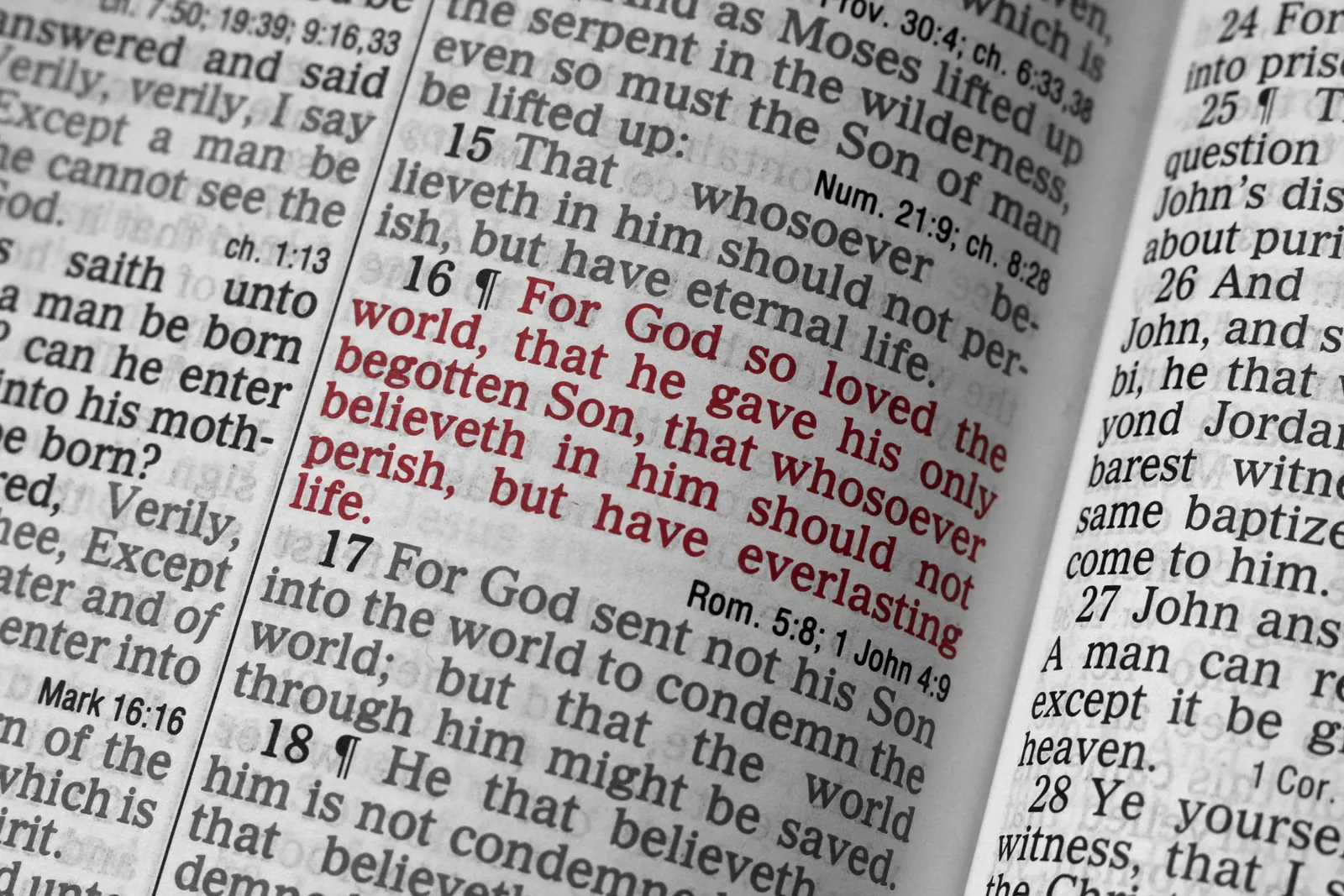
5. John 3:16 — God’s Love for the World
John 3:16 connects God’s love for the world with the gift of his Son and the promise of eternal life to those who believe. The verse expresses the Gospel’s central message: God’s love is active, not merely an abstract idea. It is often shared during worship, personal reflection, and conversations about Christian faith. Read the full chapter to see how it fits into Jesus’ conversation with Nicodemus about faith and new life, rather than treating one sentence as separate from its setting.
6. John 13:34–35 — Love One Another
Jesus commands his disciples to love one another as he has loved them, saying their love will identify them as his followers. This is a call for actions to match the message. Welcoming people, avoiding gossip, making room for different needs, and helping someone overlooked are practical examples. A public statement of faith cannot replace kindness and care. This verse is especially relevant when communities face conflict: people can disagree about decisions while still refusing contempt and treating each other with respect.
7. Romans 12:9–10 — Sincere Love
Romans 12 calls for genuine love, rejecting evil, holding to what is good, showing affection, and honoring others. Biblical love is not simply agreeing with everyone or pretending wrong choices do not matter. Sincere love combines warmth with integrity: it speaks truth respectfully, apologizes when wrong, and supports growth without shaming people.
8. Colossians 3:14 — Love and Unity
Colossians 3 describes compassion, kindness, humility, gentleness, patience, and forgiveness. Verse 14 presents love as the bond that holds these virtues together. People in families and communities will disagree, but listening before responding, avoiding insults, and seeking fair solutions can protect relationships without preventing honest discussion.
9. Matthew 22:37–39 — Love God and Your Neighbor
Jesus identifies loving God wholeheartedly and loving one’s neighbor as oneself as the greatest commandments. Love for God is expressed through devotion; love for a neighbor appears in practical concern. A neighbor may be a stranger, someone from another background, or a person unable to repay kindness. The teaching challenges readers to look beyond convenience and act with compassion. It also broadens the idea of neighbor beyond people who share our beliefs, background, or social circle. The question becomes not only who deserves our attention, but how we can respond fairly and compassionately to the person in front of us.
10. 1 John 3:18 — Love Through Actions
First John 3:18 encourages believers to love through actions and truth, not words alone. Are caring words supported by dependable behavior? Practical expressions include checking on a struggling friend, sharing resources, keeping commitments, challenging unfair treatment, or helping someone find support. Small, consistent choices can mean more than grand promises. A person who is grieving may need someone to listen; a neighbor may need practical help; a colleague may need to be treated fairly. The verse asks readers to make love tangible and truthful in the circumstances they actually encounter.
What Is the Meaning of Love in 1 Corinthians 13?
First Corinthians 13 describes love’s character in a church context where people valued spiritual gifts. Paul’s point is that impressive abilities have little value when separated from love.
Patience gives others room to grow; kindness makes concern visible; humility resists boasting and domination. Love does not rejoice in wrongdoing but rejoices with truth, showing that compassion and integrity belong together.
The passage also speaks of endurance and hope. These qualities matter in difficult relationships, but they should never be interpreted as instructions to endure violence or coercion. Seeking safety and help from trusted people or professionals may be necessary. When readers ask what Bible verse talks about love, 1 Corinthians 13 is a useful starting point; reading the full chapter clarifies why Paul places love above status and spiritual display.
What Are the Different Types of Love in the Bible?
The Bible describes love in several relationships and settings. These categories are useful guides, not a rigid classification that every passage follows. Biblical love can overlap across relationships: kindness toward a friend, commitment in marriage, and compassion for a stranger may all reflect a shared concern for another person’s good.
Love for God
Loving God includes devotion, trust, worship, and letting faith shape choices. Deuteronomy 6:5 and Matthew 22:37 emphasize wholehearted love, expressed through prayer, gratitude, and obedience.

Love for Family and Friends
Scripture values care, loyalty, and responsibility in families and friendships. Listening, supporting one another during hardship, and respecting boundaries help nurture these relationships.
Romantic Love and Commitment
Song of Solomon celebrates romantic desire, while Ephesians 5:25 calls husbands to love their wives sacrificially. Read these passages in context; they should never be used to justify domination or harm.

Love for Neighbors and Enemies
Leviticus 19:18 commands love for one’s neighbor, and Matthew 5:44 teaches love for enemies. This does not require trusting unsafe people or approving wrongdoing; it calls for a response shaped by mercy and human dignity.
How Can You Show Love According to the Bible?
Biblical love becomes meaningful when it shapes daily behavior.
Practice Kindness and Patience
Listen attentively, avoid quick assumptions, and respond calmly when possible. Patience does not mean ignoring harm; it means choosing a thoughtful response. Helping a colleague or checking on a neighbor makes kindness concrete. You might also offer encouragement, thank someone for their effort, or give a person time to explain before deciding how to respond. These small habits help love become a pattern rather than an occasional gesture.
Forgive Without Ignoring Healthy Boundaries
Colossians 3:13 encourages forgiveness. Forgiveness can mean releasing revenge, but it does not automatically restore trust, remove consequences, or require reconciliation without accountability. If abuse or danger exists, prioritize safety and seek trustworthy support.
Help People in Need
Love may mean sharing time or resources, visiting someone isolated, or helping a person find support. First John 3:17–18 connects love with responding to someone in need—not for attention, but because that person matters.

Speak Truth With Compassion
Ephesians 4:15 speaks of truth in love. Be honest without insults, manipulation, or humiliation. Admit mistakes and apologize; during difficult conversations, address the issue rather than attacking the person.
Bible Verses About God’s Unconditional Love
Many Christians call God’s love unconditional to emphasize that it cannot be earned through perfect performance. Romans 5:8 says God demonstrates love through Christ’s death for sinners. Psalm 136 celebrates God’s enduring love, while Romans 8:38–39 expresses confidence that nothing in creation can separate believers from God’s love in Christ.
God’s love does not mean every action is approved or choices have no consequences. Biblical love includes grace, truth, correction, and transformation. If you are collecting about love Bible verse references, read John 3:16, Romans 5:8, Psalm 136, and Romans 8:38–39 in context.
What Biblical Love Does Not Mean
Biblical love is not people-pleasing, unlimited access to your time, or agreement with every choice. Love can address wrongdoing and set boundaries when a relationship becomes harmful. Jesus’ teachings about mercy should never be used to pressure someone to remain in an abusive situation.
Love also does not mean control, demanding repayment for every good deed, or using religious language to manipulate others. First Corinthians 13 rejects arrogance and selfishness, while Romans 12 calls for genuine love. Depending on the situation, a wise response may involve reconciliation, distance, accountability, or professional help. Setting a boundary is not automatically unloving; it can be a responsible way to prevent further harm while leaving room for truth and change.
Conclusion: Living Out Biblical Love
The Bible presents love as more than an emotion: it is a way of living marked by kindness, patience, truth, sacrifice, forgiveness, and care. From 1 Corinthians 13 to Jesus’ command to love one another, Scripture guides families, friendships, communities, and faith.
When exploring bible verses what is love, begin with 1 Corinthians 13:4–7, 1 John 4:7–8, John 13:34–35, and 1 John 3:18. Read them in context and choose one practical action for today. Love grows through consistent choices, guided by truth, accountability, and healthy boundaries. You can begin by choosing one verse, reflecting on its meaning, and putting one part of it into practice this week. Over time, these choices can shape how you speak, serve, forgive, and care for the people around you. You may also keep a short journal of what each passage teaches you about love.
Frequently Asked Questions
1. What Bible verse best explains what love is?
First Corinthians 13:4–7 is one of the clearest passages describing love’s qualities. It highlights patience, kindness, humility, and perseverance while rejecting envy and selfishness. Read the full chapter to understand why Paul presents love as essential to Christian life.
2. What Bible verse talks about love the most?
There is no single verse that talks about love more than every other verse. First Corinthians 13 is widely known for describing love, while 1 John 4:7–19 focuses on God as the source of love and on believers loving one another. The most helpful passage depends on whether you are studying God’s love, relationships, or Christian conduct.
3. What does 1 Corinthians 13 teach about love?
It teaches that love is patient, kind, humble, truthful, and enduring. Paul explains that spiritual gifts and impressive actions lose their value when they are not guided by love. The chapter encourages readers to evaluate how they treat others, not simply what they claim to feel.
4. How does the Bible describe God’s unconditional love?
Passages such as Romans 5:8 and John 3:16 describe God’s love as generous and demonstrated through Christ. Romans 8:38–39 offers assurance about God’s love in Christ. Read these verses in context, because biblical grace does not mean that every action is approved or that choices have no consequences.
5. How can Christians show love in everyday life?
Christians can show love through kindness, honest communication, practical help, forgiveness, generosity, and respect. First John 3:18 emphasizes love expressed through actions and truth. Everyday love also includes accountability and healthy boundaries; it does not require accepting abuse or remaining in danger.