Bible Study
Bible Old and New Testament: Books, Differences, and How They Connect
This guide explains what each Testament contains, how they differ, why 400 years separate them, and how they form one connected story.
 Faith for everyday life
If you have ever opened a Bible and wondered why it splits into two parts, you are not alone. Many people start in Genesis, hit a long list of laws, and quietly give up. The Bible's Old and New Testament structure puzzles first-time readers, yet understanding it unlocks the whole book.
This guide explains what each Testament contains, how they differ, why 400 years separate them, and how they form one connected story. You will also get a simple plan for reading the Bible's Old and New Testaments with confidence, even if you are starting from scratch.
The Bible is a collection of 66 books divided into two main parts. The Old Testament has 39 books and traces God's covenant with Israel. The New Testament has 27 books and centers on Jesus Christ and the early church. Together, the Bible's Old and New Testaments present one story of redemption. The word "testament" comes from the Latin testamentum, a term early translators used for the Hebrew and Greek words meaning "covenant." So when we talk about the Old and New Testaments, we are really talking about an old covenant and a new covenant between God and humanity.
The Bible was not written by one person at one time. Around forty authors, including shepherds, kings, fishermen, a physician, and a tax collector, wrote across roughly fifteen centuries. They used many genres: law, history, poetry, prophecy, gospel narrative, and personal letters. Christians believe all of it is inspired by God (2 Timothy 3:16), which explains why such a varied collection speaks with a unified voice.
The Old Testament makes up about two-thirds of the Bible, and the New Testament about one-third. The Old Testament was written mostly in Hebrew, with a few passages in Aramaic, while the New Testament was written in Greek. Knowing this overview makes the Bible Old and New Testament division far less intimidating.
The Old Testament contains 39 books arranged in four sections: the Pentateuch, the historical books, the wisdom and poetry books, and the prophets.
It tells the story from creation to Israel's return from exile and prepares the way for the Messiah.
The first five books, Genesis through Deuteronomy, form the foundation of the Old Testament.
Genesis describes creation, the fall, the flood, and God's promise to Abraham that his family would bless all nations (Genesis 12:1-3). Exodus recounts Israel's rescue from Egypt. Leviticus, Numbers, and Deuteronomy record the law given at Sinai and Israel's years in the wilderness. Jewish readers call these books the Torah, meaning "instruction," and tradition credits Moses as their author.
Twelve historical books, Joshua through Esther, follow Israel from the conquest of Canaan through the judges, the kings, the exile in Babylon, and the return home.
Five wisdom and poetry books come next: Job, Psalms, Proverbs, Ecclesiastes, and Song of Songs. They explore suffering, worship, practical living, and love.
The final seventeen books are the prophets.
Five are called major prophets because of their length: Isaiah, Jeremiah, Lamentations, Ezekiel, and Daniel. Twelve minor prophets, from Hosea to Malachi, are shorter but equally powerful. Together they call Israel back to faithfulness and point ahead to a coming deliverer.
The Jewish Bible, called the Tanakh, contains the same writings but groups them as Torah, Nevi'im (Prophets), and Ketuvim (Writings). The content is shared even though the order differs.
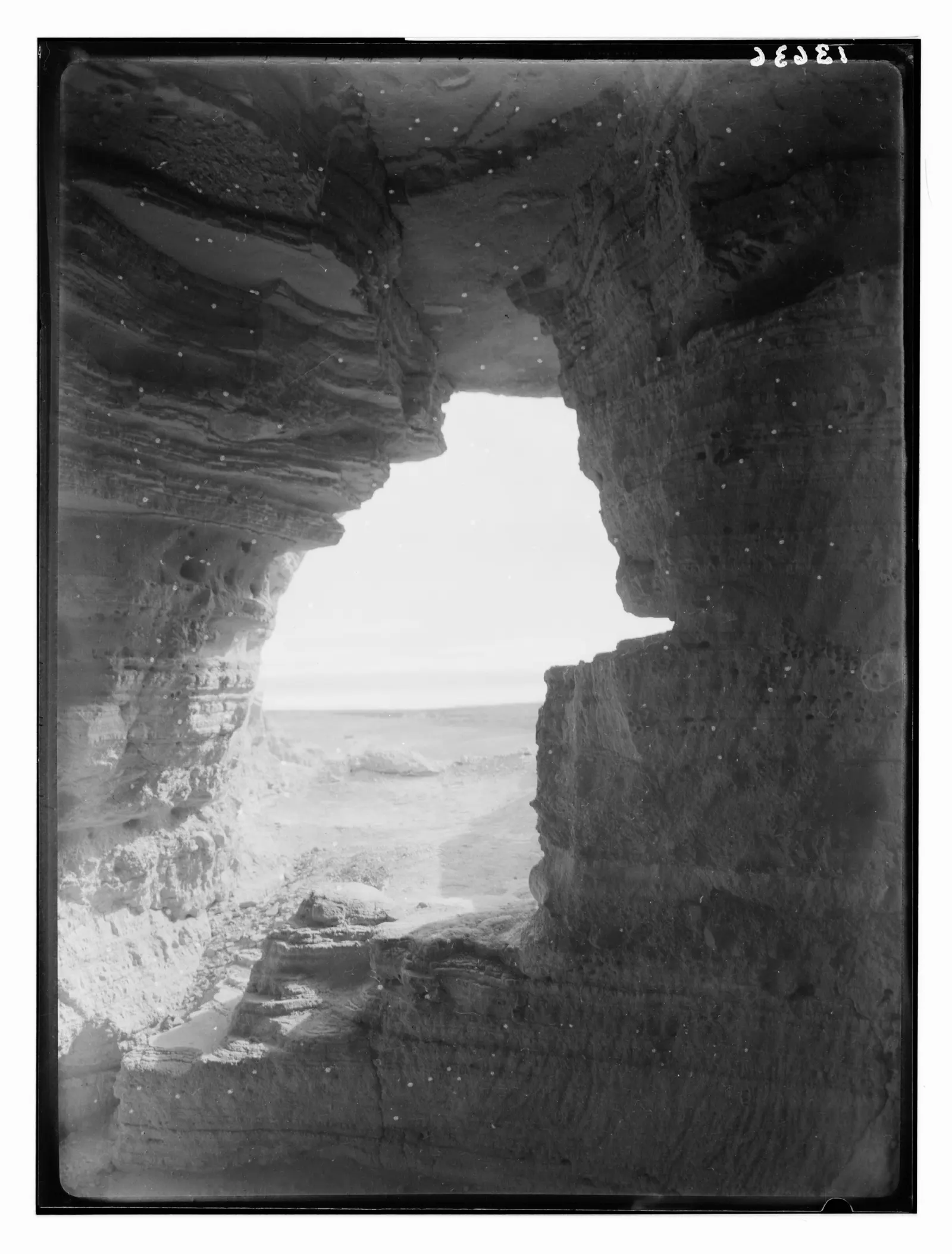
The Dead Sea Scrolls, found near Qumran starting in 1947, include a complete Isaiah scroll more than 2,000 years old. It closely matches the text we read today, which gives modern readers strong reason to trust how carefully these writings were preserved.
The New Testament has 27 books: four Gospels, the book of Acts, 21 letters, and Revelation.
It records the life, death, and resurrection of Jesus Christ, the birth of the church, and the Christian hope for the future.
Matthew, Mark, Luke, and John each present Jesus from a different angle.
Matthew shows him as the promised king of Israel, Mark as the active servant, Luke as the compassionate savior for all people, and John as the eternal Son of God. The first three are called the Synoptic Gospels because they share much of the same material, while John has a distinct style and structure.
Acts, written by Luke as a sequel to his Gospel, picks up where the story leaves off.
It describes Jesus' ascension, the coming of the Holy Spirit at Pentecost, and the rapid spread of the gospel from Jerusalem to Rome.
Thirteen letters, Romans through Philemon, are traditionally attributed to the apostle Paul.
Some were written to churches, such as Romans, Corinthians, and Galatians, and others to individuals like Timothy, Titus, and Philemon. Eight more letters, called the general epistles, include Hebrews, James, 1 and 2 Peter, 1, 2, and 3 John, and Jude. They address suffering, faith, love, false teaching, and daily Christian living.
Revelation closes the Bible with a vision given to John.
Its symbolic imagery can feel strange at first, but its central message is clear: Christ wins, evil is judged, and God makes all things new (Revelation 21:5). Most scholars date the New Testament writings to the second half of the first century, so many eyewitnesses were still alive when these accounts first circulated (Luke 1:1-4).
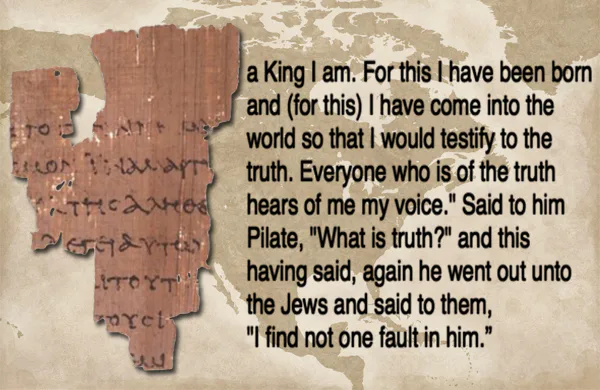
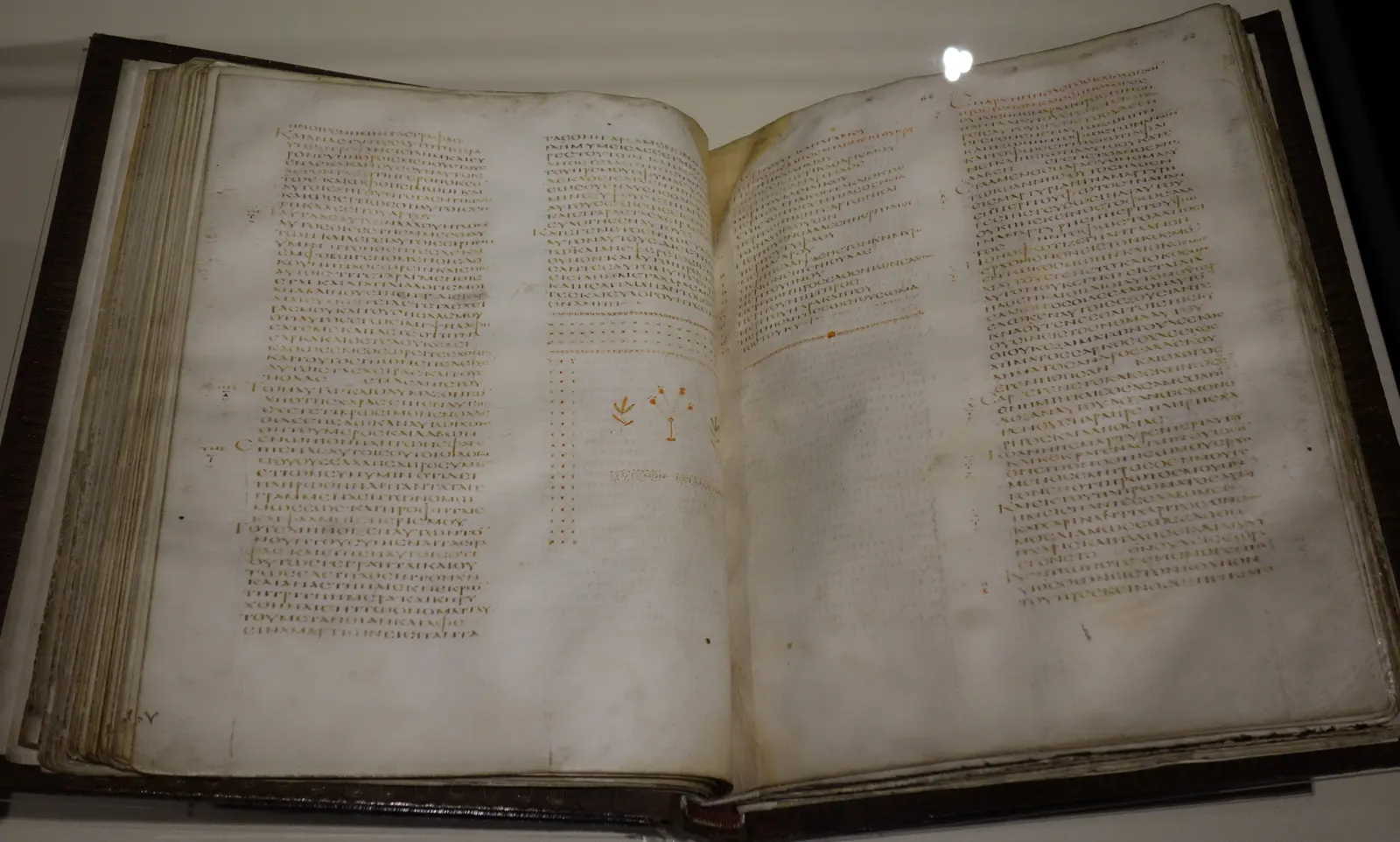
The main difference between the Old and New Testament is focus and covenant.
The Old Testament centers on God's covenant with Israel and promises a coming Messiah, while the New Testament centers on Jesus, who fulfills those promises and extends the new covenant to every nation.
This table summarizes the most important contrasts in the Bible's Old and New Testaments at a glance.
| You will often hear that the Old Testament is about law | and the New Testament is about grace. |
|---|---|
| There is truth in that summary, since John 1:17 says the law came through Moses while grace and truth came through Jesus Christ. | But the contrast is one of emphasis, not absolute opposites. The Old Testament describes God as compassionate and gracious (Exodus 34:6), and the New Testament contains serious moral teaching. |
| The deeper shift is the covenant. Through Jeremiah, God promised a new covenant written on human hearts (Jeremiah 31:31-34). At the Last Supper, Jesus said this covenant was being established through his blood (Luke 22:20). | The New Testament therefore does not cancel the Old Testament; Jesus himself said he came to fulfill the law, not abolish it (Matthew 5:17). This is why reading the Bible, Old and New Testament together matters so much. |
| Other differences are practical. Worship in the Old Testament centered on the tabernacle and temple, with priests and sacrifices mediating between God and the people. | In the New Testament, believers come to God through Christ, the great high priest (Hebrews 4:14-16). The Old Testament speaks mainly to the nation of Israel, while the New Testament addresses a global church of Jews and Gentiles. |
In the Bible Old and New Testament timeline, about 400 years separate the last Old Testament book, Malachi, from the opening scenes of the New Testament.
Christians often call this the intertestamental period. No new Scripture was added, yet world events were quietly preparing the ground for the arrival of Jesus.
During these centuries, Persia gave way to Greece and then Rome. Alexander the Great spread the Greek language across the known world, which is why the New Testament was written in Greek and why the Hebrew Scriptures were translated into Greek as the Septuagint. Paul describes this timing as the fullness of time (Galatians 4:4).
Jewish life changed too. The Maccabean revolt brought brief independence, synagogues became centers of teaching, and groups such as the Pharisees and Sadducees emerged. Without this background, the sudden appearance of Roman governors, tax collectors, and rival religious parties in Matthew can feel confusing.
The Old and New Testaments connect through promise and fulfillment.
The Old Testament sets up a problem and a promise, and the New Testament shows Jesus as the answer. Neither part feels complete without the other, which is why the Bible's Old and New Testaments must be read as one book.
The first hint appears in Genesis 3:15, where God promises that a descendant of Eve will defeat the serpent. From there, the prophecies grow clearer. Micah 5:2 names Bethlehem as the birthplace of a ruler, Isaiah 7:14 speaks of a child called Immanuel, and Isaiah 53 describes a suffering servant who bears the sins of many. Psalm 22 portrays a righteous sufferer in language that echoes the crucifixion.
The New Testament writers saw these threads converge in Jesus. Matthew repeatedly points out where Old Testament words were fulfilled, and Luke records that the risen Jesus walked two disciples through the Scriptures to show how they pointed to him (Luke 24:27). The early church teacher Augustine summed it up by saying the New Testament lies hidden in the Old, and the Old is made clear in the New.
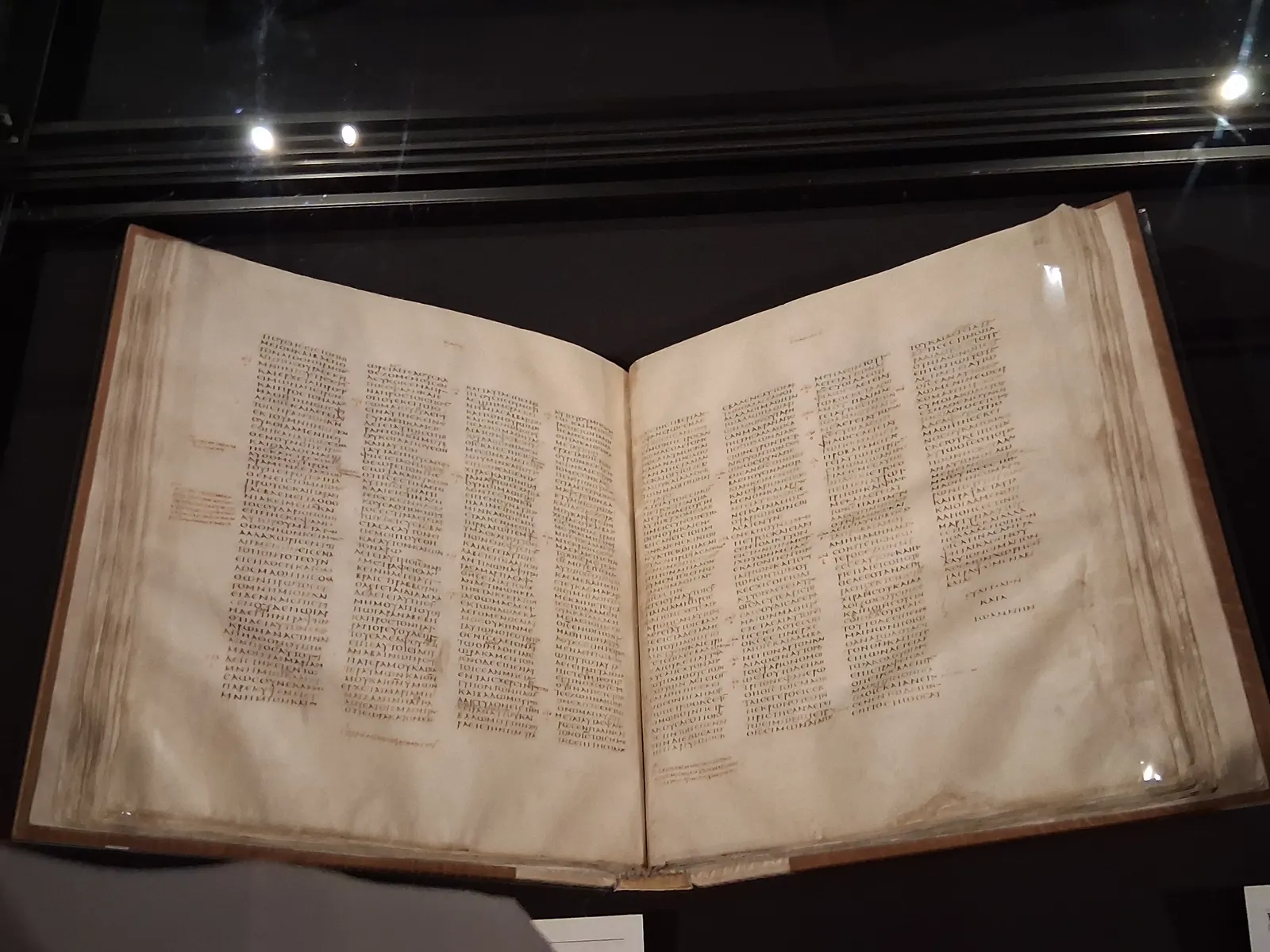
Beyond direct prophecy, the Old Testament uses patterns, often called types, that foreshadow Christ.
The Passover lamb, whose blood protected Israel's households, prepares readers to hear John the Baptist call Jesus the Lamb of God (John 1:29). Jonah's three days in the fish anticipate Jesus' burial and resurrection (Matthew 12:40). The writer of Hebrews calls the law a shadow of good things to come (Hebrews 10:1). Seeing these patterns turns the Bible's Old and New Testaments from two collections into one unfolding drama.
Protestant Bibles contain 66 books: 39 in the Old Testament and 27 in the New Testament.
Catholic Bibles contain 73 books because they add seven deuterocanonical books to the Old Testament. Eastern Orthodox Bibles include a few more. All three traditions share the same 27 New Testament books.
The difference comes from which Old Testament list each tradition follows. Protestants follow the Hebrew canon, while Catholic and Orthodox traditions follow the longer collection found in the early Greek Septuagint. The extra Catholic books include Tobit, Judith, Wisdom, Sirach, Baruch, and 1 and 2 Maccabees, along with additions to Esther and Daniel.
Because most English readers use a Protestant Bible, this guide to the Bible Old and New Testament uses the 66-book count unless stated otherwise. Whichever edition you choose, you will find the same core story, the same Gospels, and the same message of salvation.
Start with a Gospel, not Genesis.
Read Mark or John first, then move to Genesis and Exodus, then add Psalms and Proverbs alongside Acts and Romans. Ten to fifteen minutes a day in a readable translation is enough to build a lasting habit.
Here is a simple path that works for most beginners:
- Choose a readable translation. The NIV, NLT, ESV, CSB, and NKJV are all trusted options, and the NLT and NIV are often easier for new readers.
- Begin with John or Mark. Meeting Jesus first gives you the lens for everything else.
- Move to Genesis and Exodus. These books establish creation, covenant, and rescue, which the rest of the Bible keeps echoing.
- Pair the Testaments. Read a Psalm each day with a chapter from Acts or Romans so you taste poetry, history, and teaching together.
- Ask context questions. Who wrote this, to whom, and why? Genre matters, because poetry, law, and letters are read differently.
- Follow a reading plan. The Bible has 1,189 chapters, so reading it in a year takes about three to four chapters daily.
Do not worry if some passages feel confusing.
Genealogies, temple instructions, and prophetic visions slow every reader down. Keep going, and return to them later.
Frequently Asked Questions
How many books are in the Bible (Old and New Testaments)?
The Old Testament has 39 books, and the New Testament has 27, making 66 in total in Protestant Bibles.
Catholic Bibles have 73 books because they include seven additional Old Testament books. The New Testament list is the same in all major traditions.
What is the main difference between the Old and New Testament?
The Old Testament focuses on God's covenant with Israel, the law, and the promise of a Messiah. The New Testament focuses on Jesus Christ, who fulfills that promise and establishes a new covenant open to all people. The Bible's Old and New Testaments are two parts of one story, not two competing messages.
Should I read the Old Testament or the New Testament first?
Most beginners benefit from starting in the New Testament, especially the Gospel of John or Mark. Once you know who Jesus is, the Old Testament makes more sense. After that, read Genesis and Exodus, and keep reading both Testaments together.
Why are there 400 years between the Old and New Testament?
The 400-year gap is the time between the prophet Malachi and the events of the Gospels, during which no new Scripture was written. Historically, it was a season of changing empires, Greek influence, and Jewish religious development that prepared the world for Jesus.
Is the God of the Old Testament different from the God of the New Testament?
No. Christians believe the same God speaks in both Testaments. The Old Testament shows his justice and also his mercy, while the New Testament shows his love and also his holiness. What changes is how fully he is revealed, most clearly in Jesus (Hebrews 1:1-2).
The Bible's Old and New Testaments may look like two separate books, but together they tell a single story: God creates, humanity falls, God promises rescue, and Jesus delivers it.
The Old Testament lays the foundation, and the New Testament reveals its fulfillment.
Whether you are new to Scripture or returning after years away, understanding how the two parts fit together makes every chapter clearer. Begin with a Gospel today, add a Psalm, and let each Testament explain the other.